UPDATE: August 2025
 This tip is for folks who are already working with the Medical Assistance Program (MAP).
If you are learning of this program for the first time, read An Introduction to MAP.
Emergency MAP
When to call on your MAP team for help.
What to do in case you pass out.
 During times of severe trauma caused by accidental injury, sudden severe illness or sudden emotional trauma, you can call on Emergency MAP.
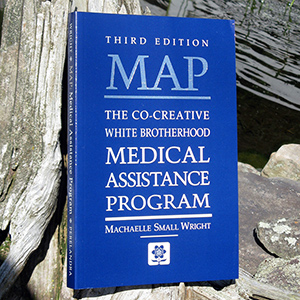
If you haven't read about the Emergency MAP Procedure, or if it's been a while, read Chapter 6 (pp. 141-154) in your MAP book. It's just 12 pages, and you will be glad you read it ahead of time if you find yourself in need of emergency support.
This is a special setup designed to be used in serious situations when you can't afford the time it takes to open a regular MAP coning, and you can't focus on anything but your emergency anyway.
Machaelle suggests that you practice opening the coning and "working" the process several times until you are comfortable and confident that you can do this in an emergency. Below are a few more tips to help you prepare.
 How can my MAP team help me if I pass out?
When you're practicing or during your next regular session, you can tell your MAP team that if you are unconscious, in an accident or dying and unable to open the coning, you want them there helping you. By setting that intent with them in advance, they can be there for you when you can't consciously open the coning.
Keep Emergency MAP open for the duration of the emergency.
There are scenarios, such as surgery, severe injury or illness and hospitalization, when it will be appropriate to leave your Emergency MAP coning open for several days or several weeks. When you're stable, you will close your Emergency MAP session and schedule regular 40-minute MAP sessions.
Remember: This procedure is for true, serious emergency situations, and not for when you simply need some comfort or company.
 Here's an example from one of Machaelle's early Question Forums to help you better understand when to enlist Emergency MAP.
The Question:
I broke my arm while backpacking. I opened a MAP session overnight and the pain is much reduced. Now back in civilization, have seen the doctor and surgery is scheduled for next week. The pain is getting bad. Do I open the MAP coning again?
Machaelle's reply:
Oh, I feel your pain. Open an Emergency MAP session and keep it open until the pain subsides after surgery, or about two weeks after surgery. Verbally let your team know when you are experiencing pain or any other discomfort, and what the schedule is for surgery. Plan to take ETS for Humans 5 times daily until after you stabilize post-surgery.
You can keep Emergency MAP open for as long as it takes for you to have the energy to switch it over to your regular MAP program where you are opening and closing the coning. But don't turn into an Emergency MAP junkie and assume that if you're having a bad day it's okay to keep an Emergency MAP coning open for the next three weeks. It's for emergency and serious situations only.
Emergency MAP does not replace needed medical care.
If you need to call 911 or go to the emergency room, urgent care, doctor, dentist, psychiatrist, oncologist . . . do it. You will then have the support of your MAP team and the appropriate medical professionals.
Bring MAP with you to the doctor when it's not an emergency.
MAP can provide support for scheduled surgery, health-care appointments and out-patient medical treatments as well. For this, you don’t need an emergency MAP coning. Follow the steps on page 150 of your MAP book. And get a few extra tips about this here.
 And take your ETS!
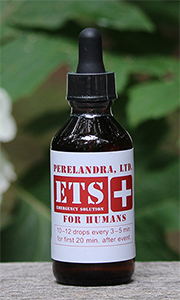
ETS for Humans is a safe, natural solution that's taken orally. Outside of MAP, ETS is used for any sudden or "unscheduled" physical, emotional or mental situation that causes anger, frustration, confusion, pain, panic, irritation and fear.
When these kinds of "intrusions" occur, we immediately take ETS for Humans. Once we stabilize ourselves with ETS, we're better able to thoughtfully, calmly turn our attention to what else we need to do to address what has just occurred.
If you have ETS: When you need to open Emergency MAP, also take ETS for Humans — one dose every 5 minutes for the first 20 minutes.
 Not an emergency, "just stress."
When you're not dealing with an emergency, but you definitely need to offload those stressors before you pop:
Perelandra Voices: MAP Experiences
Learn from the stumbles and successes of others using MAP. In those moments when you wonder, "What is MAP really like?" or "How will I remember MAP in an emergency?" — read an article or two from our Perelandra Voices newsletters. They're grouped by topic, with several pages of stories about working with MAP like these excellent examples of when you would use Emergency MAP:
MAP Misconceptions & Misinformation
Sometimes, misinformation is spread by "well-meaning" folks who use MAP and want to share it with others. Sometimes it causes serious confusion and throws folks off track with their personal MAP work. And sometimes it's downright dangerous information that in no way represents how MAP functions.
Any time you have concerns about what you were told about the Medical Assistance Program and how to work with MAP, please don't hesitate to contact us.
If you haven't read it in the MAP book or on the Perelandra website, heard it on Machaelle's MAP Workshop DVD or gotten the information directly from Perelandra, and it sounds kinda fishy to you, it probably is. In this post, Machaelle addresses what we have heard most often:
If you have questions that aren't answered here or in the linked articles, call us on the Question Hot Line. We answer the line on Wednesdays from 10 AM to 8 PM, eastern: 1-540-937-3679.