Revised: July 2025
Gardening Series, Part 17
Your Garden (and Home!) Wildlife
About all animals, insects and microbes that are part of your environment.
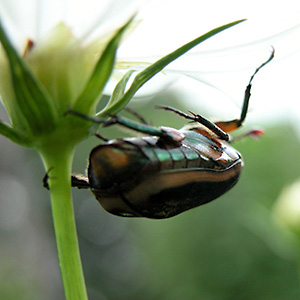 Every week we get calls about wildlife. Folks want to know how to address a new problem of gophers, ants, deer, mice, moles . . . without using poisons and without creating more of an environmental problem.
This is for all of you wanting to work with nature when it comes to any imbalance of wildlife in your home, garden and yards.
Changes in climate, extreme weather, fires, volcano eruptions and hurricanes don't only affect human day-to-day life and activity. Wildlife is also forced to adjust, and struggle to survive. They can't take the Climate Change Balancer like we humans and our companion animals can, so what is a co-creative gardener to do?
What to do begins with changing how we perceive the "invasion." A bold, new understanding is critical if we are to change the way we interact with wildlife and solve the environmental problems we face in our garden, home, apartment, aquarium, animal shelter, office, business complex or classroom.
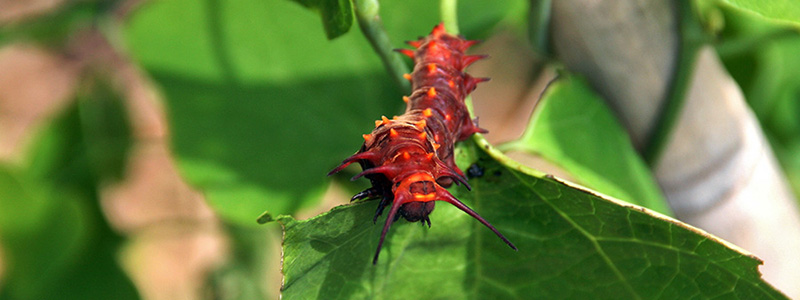
If you live in the northeast U.S., you’ve likely heard about the “spotted lantern fly.” For the past 5+ years, there’s been a campaign to literally “stomp out” this insect. It’s not native to the U.S. and has no natural predators, though we are reading that other insects are now discovering the spotted lantern fly can be a delicious meal. We’re also reading that stomping on every one of these insects you see does not stop their spread. (What a surprise.) If you live in an area where warnings about the spotted lantern fly have been posted, you have a wonderful opportunity to learn a different approach to addressing wildlife “problems” such as this. And if you are close to the areas where spotted lantern flies are already found, now’s the time to start asking nature how to balance your land in light of this new insect.
There are invasive, non-native species everywhere, not just the spotted lantern fly. So pretty much everyone has the opportunity to try a new approach, to work with nature and address whatever animal or insect has found its way to your home from another part of the world, requiring a reset of the balance in your biosphere.
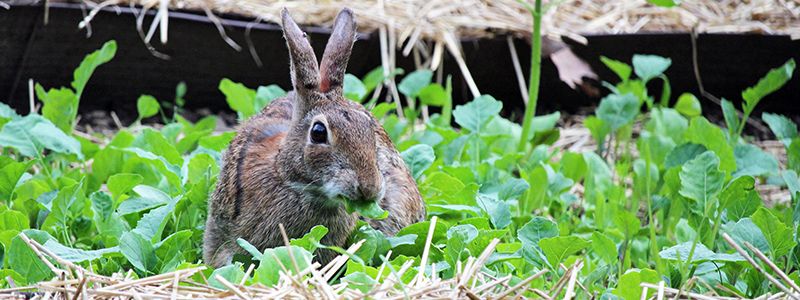
So what we're sharing here is for everyone, gardener or not. It is such an important thing to understand — how to include wildlife in your garden. Yes, include! Contrary to popular belief, plants and soil alone will not a balanced garden make. (Don't worry, if your garden is indoors, or it's your office or classroom, we aren't suggesting you invite rabbits, turtles, ants and wasps inside!)
Find a quiet moment and get ready for a life-changing read. We promise you won't look at insects or that rabbit eating your lettuce bed the same way, ever again.
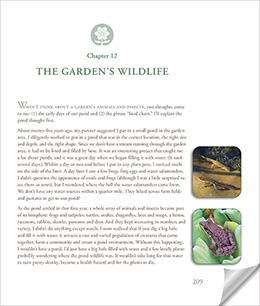 All Gardeners — and "Non-Gardeners" Too!
Starting on page 209 of your Garden Workbook, read Chapter 12, "The Garden's Wildlife."
When you finish, you will have a whole new appreciation for the furred, many legged and winged creatures in your garden and a better understanding of your role in maintaining their balance.
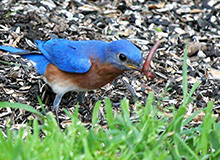 More insights from nature about insects and wildlife can be found in your Workbook on pp. 238-240 ("Pan on Insects and Communication") and pp. 242-243 ("Nature on Earthworms and Robins").
Don't have the book? You can download the whole eWorkbook for $14 and read it right now!
 If you're not a gardener and find yourself intrigued, or if a friend forwarded this message to you and you would like to learn more, you can begin by reading an eye-opening, perspective-changing free excerpt from the Garden Workbook here.
There is much in this book that non-gardeners who care about our environment will find surprising and helpful.
When you're ready to put this approach into practice, get The Perelandra Garden Workbook and the second edition of Co-Creative Science by Machaelle Wright.
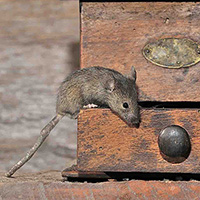 Eek! A Mouse (or Twenty) . . .
This is the top Perelandra Question and the article linke below lays out Machaelle's extremely easy answer:
Anytime you have a question about co-creative gardening and would like help to figure it out, or if you feel overwhelmed or get stuck, call our Question Hot Line. We will encourage you, get you unstuck and help you keep it manageable and simple.
Question Hot Line
1-540-937-3679
Wednesdays, 10-8 ET